

In wealth management, data is no longer simply a question of infrastructure. It is becoming a lever for management, operational efficiency and value creation.
INTEGRAAL SOLUTIONS
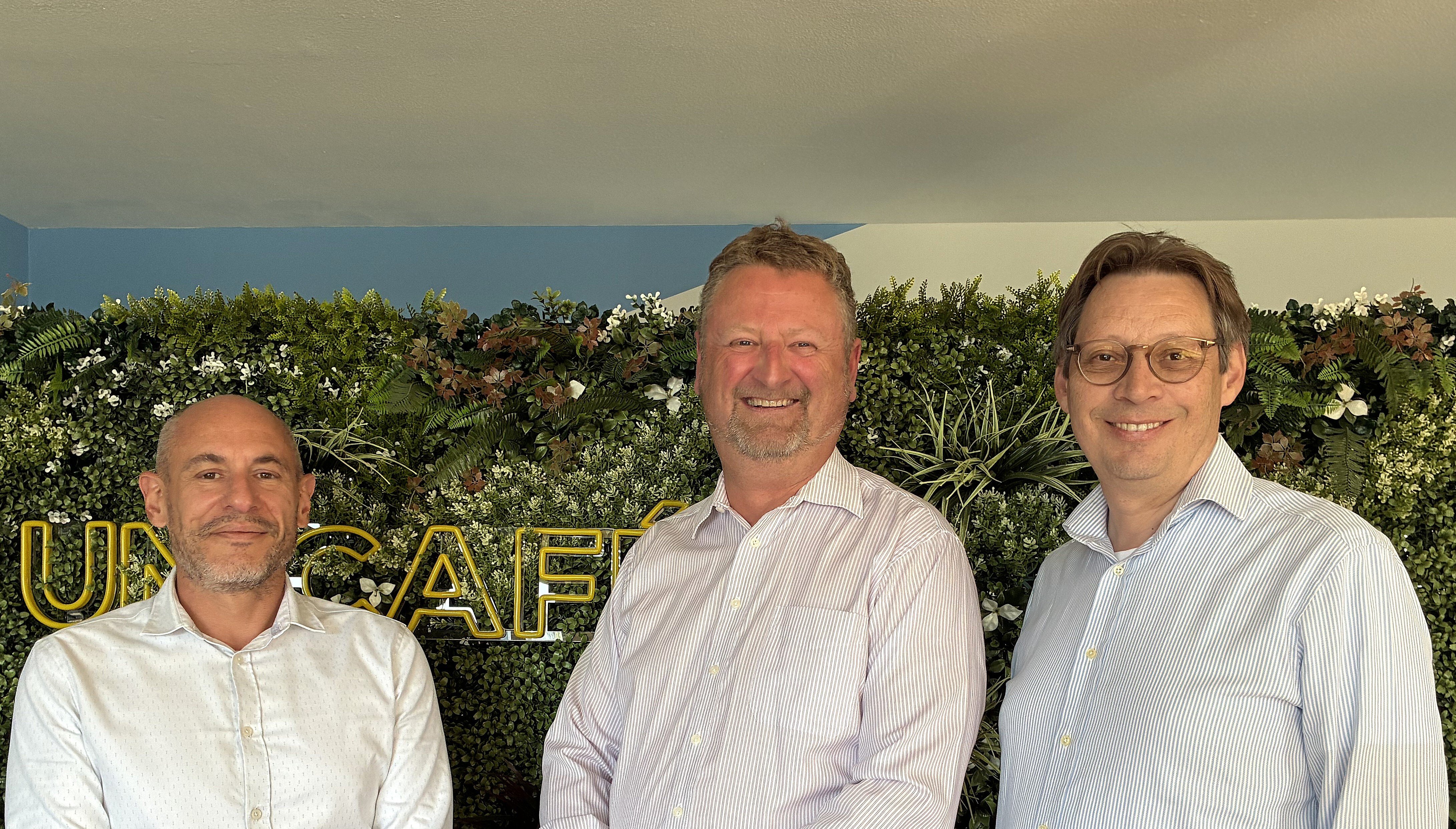
Photo of the management team with, from left to right: S. Zambianchi - CTO; C.Aeberli - Founder & CEO; L. Dubois - Head of Sales
In the world of third-party asset managers, technology has long been approached from an essentially functional angle: running tools, consolidating data flows, producing reports, meeting regulatory requirements. Data, on the other hand, has often remained in the background - omnipresent, but rarely structured as a genuine strategic asset.
This era is coming to an end.
Today, independent asset managers are operating in an environment that is more demanding than ever. Clients expect greater transparency, personalisation and responsiveness. Regulatory constraints continue to tighten. And, above all, artificial intelligence is gradually making its mark on the way we think about the future. But behind all the enthusiasm, one reality remains: no AI can produce sustainable value without reliable, consistent and governed data.
In other words, before being a matter of algorithms, AI is first and foremost a matter of foundations.
For EAMs, the challenge is no longer simply to access information, but to be able to centralise it, make it reliable and use it in a business logic. Integraal Solutions supports wealth management players in precisely this way: by transforming fragmented environments into a clear, consolidated information base that can be used directly on a day-to-day basis.
With this in mind, the Integraal platform, a Swiss company based in Geneva, has been designed around three complementary pillars: integrating data, ensuring the reliability of business indicators, and delivering them via user-oriented business dashboards. This approach covers very specific needs: performance management, portfolio monitoring, compliance, pricing, risk and decision support.
Beyond the quality of management, thechallenge is also highly operational. Better structuring of data means reducing manual reprocessing, limiting dependence on Excel, streamlining internal processes and enabling teams to spend less time producing figures than analysing them and taking action. It also means giving managers a clearer picture of their business, profitability and margins, so that they can more quickly identify areas for optimisation and areas of friction.
Basically, the question is no longer whether third-party managers should invest in data. It's a question of how quickly they can turn it into a competitive advantage. Because in a market where trust, precision and speed of execution make all the difference, data is becoming much more than an operational support: it is becoming a common language, a management tool, a lever for efficiency and the essential foundation for the uses of tomorrow.
For players who want to combine relational excellence, operational efficiency, margin control and credible preparation for AI, the priority is now clear: put the data back at the centre.