


Independent asset managers are now required to strengthen their structures without sacrificing their autonomy. For Nicolas de Senger, the sector’s future now hinges on the quality of skills, data management and the acceleration of digital transformation. These are all essential drivers for the evolution of the EAM model.
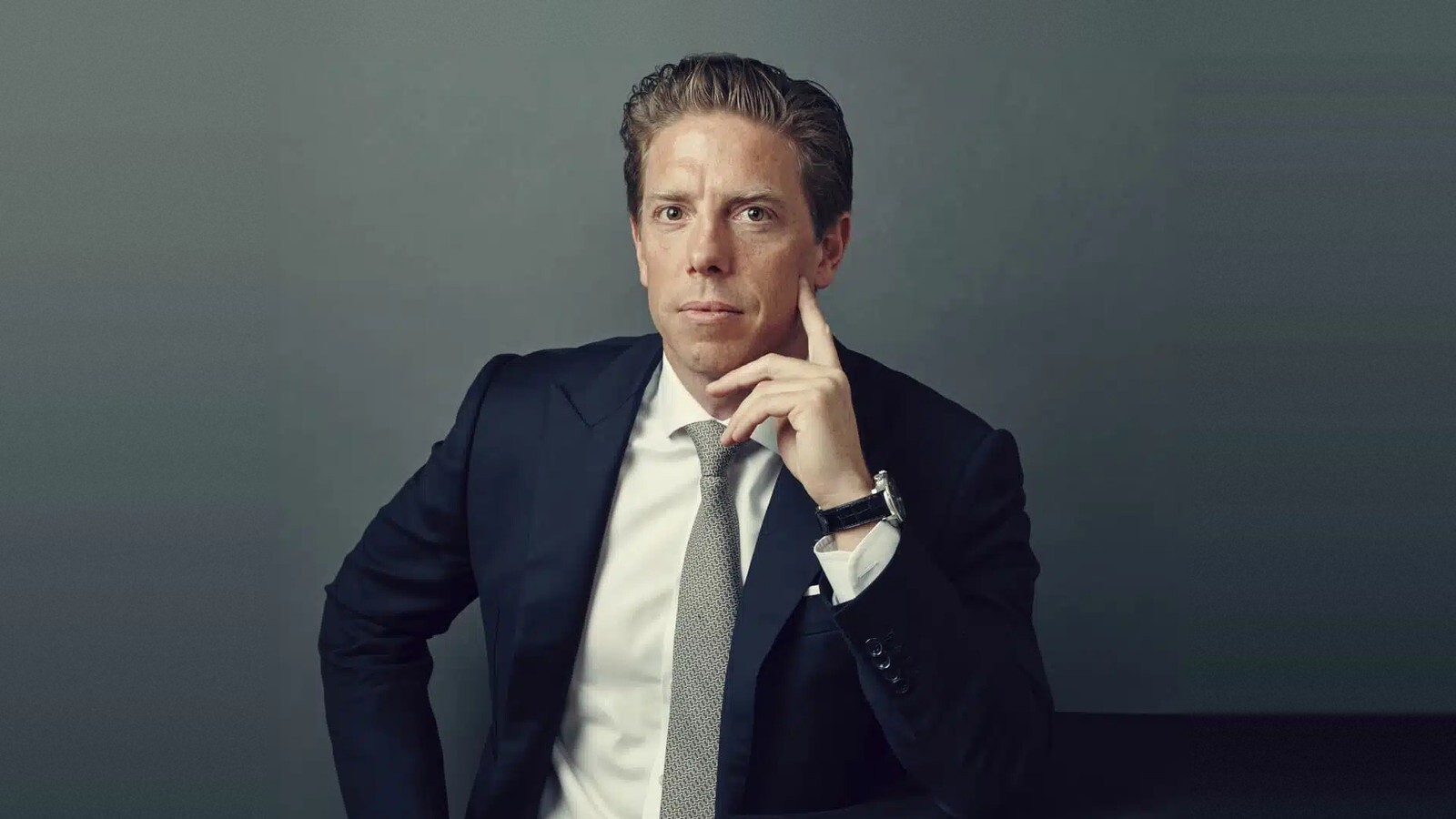
How do you see the structures of independent asset managers evolving over the next few years?
The independent fund manager model is now fully recognised by the market. However, its growth is accompanied by a gradual institutionalisation of the sector. Regulatory and technological requirements, along with client expectations, are driving up costs and necessitating a certain critical mass.
I am convinced that we will see market consolidation, with some asset managers choosing to join larger firms whilst retaining their entrepreneurial autonomy and close relationship with clients. It is also possible that some banks may develop their own independent asset management structures.
In my view, the challenge is not necessarily to become bigger, but above all to become more robust, more efficient and more competitive, without losing what makes us strong: independence, quality of service and personal relationships.
What makes the multi-family office model so attractive to independent wealth managers today?
The appeal lies primarily with the client. A high-net-worth family generally holds assets with several banks and wishes to have a comprehensive, consolidated view of its wealth. Beyond reporting, this involves analysing risks, concentrations and the diversification of investments.
The multi-family office meets this need by going beyond the scope of a single bank. It also supports families in areas such as succession planning, governance and wealth structuring.
This model therefore enables families without their own single-family office to access specialist expertise, whilst benefiting from comprehensive and long-term coordination and support.
What do you find most challenging about the transition to the multi-family office model?
Firstly, we need to clarify exactly what this term actually encompasses. Many independent asset managers present themselves as multi-family offices because they offer consolidated reporting, technological tools or access to specialist partners.
But a genuine multi-family office goes far beyond that. It must coordinate the various stakeholders, consolidate the entire family’s wealth and provide long-term support for wealth management decisions. The challenge lies in the ability to bring these capabilities together whilst maintaining a high standard of service.
At JAR, we have chosen to develop an independent asset management firm capable of collaborating with these organisations and providing them with the tools, expertise and investment solutions necessary for their growth.
How can we address the growing complexity of portfolios and the broadening investment spectrum?
Major banks have long enjoyed a considerable advantage thanks to their analytical capabilities, their research teams and their access to international information. Independent fund managers rarely had comparable resources, but the democratisation of technology and easier access to data are gradually changing the landscape.
This shift is bringing investment expertise back to the forefront. We are also seeing different approaches across markets. In Switzerland, wealth preservation and risk management remain essential, whilst in Singapore, clients are often more performance-oriented. To meet these expectations, we have strengthened our expertise and developed our network with banks, brokers and international specialists.
Today, the added value of an asset manager no longer lies solely in access to information, but above all in their ability to select, interpret and transform it into investment decisions tailored to each client’s needs.
How do you explain why independent fund managers have fallen so far behind in their digital transformation?
I would qualify that statement. Not all independent asset managers are necessarily lagging behind, but our sector still has considerable potential for digital transformation. Historically, our profession has been based on human relationships and the quality of advice, with technology having long remained a support function. This perception is changing rapidly, even though regulatory constraints, data confidentiality and the fragmentation of banking systems complicate certain transformations, particularly the integration of artificial intelligence.
At JAR, we are working to make better use of investment data, whilst safeguarding the confidentiality of our clients’ information. I am convinced that technology will become a key differentiating factor, enabling us to improve our service, strengthen risk management and devote more time to our clients.
What digital tools or solutions do you currently find most lacking in the development of your business?
Our priority is to better structure and utilise the company’s data. In particular, we have been working on integrating our accounting and portfolio management systems in order to automate processes and improve the quality of information.
The aim is to provide each fund manager with a precise, up-to-date, real-time overview of their income, expenditure and the profitability of their business, within an environment that fosters their entrepreneurial autonomy.
At present, we need to make progress in automating compliance and onboarding processes, which still tie up significant resources.
Finally, we are exploring the integration of artificial intelligence into our support functions, with particular attention to data privacy. Our ambition is to simplify processes, improve efficiency and support our growth in the long term.
From an operational perspective, how have you set your priorities?
In my view, the quality of an organisation rests first and foremost on its staff, and then on its ability to manage its data and optimise its processes in order to effectively support its growth.
We have focused our efforts on the calibre of our staff, the reliability of information, operational efficiency and the development of our technological infrastructure. This also involves strengthening our relationships with custodian banks and improving onboarding processes.
Our aim is to be able to integrate new fund managers and their clients efficiently, without compromising the quality of service. In fact, we recently succeeded in integrating nearly one hundred clients into JAR in just two weeks, thanks to rigorous preparation in advance. The challenge is to build an organisation that is robust enough to support our growth, whilst maintaining our agility and enabling fund managers to focus on their clients.
What does your presence in Singapore bring to the table, and how does it influence the development of JAR Capital?
Our presence in Singapore represents a major milestone in JAR Capital’s development. It provides us with an experienced team, privileged access to regional banks and partners, and enhanced credibility amongst an international client base.
We benefit from genuine synergy between our Swiss and Singaporean teams, both operationally and culturally. The Singaporean approach, which is particularly focused on performance and efficiency, enriches the way we work and strengthens our shared momentum.
Since we set up operations, the combined assets of our entities have grown significantly. This synergy between Switzerland and Asia is now a key driver of our growth.
How have you planned your development?
We are ambitious, but size is not an end in itself. Our priority is to make progress in three key areas: service quality, technology and diversity of skills.
We wish to continue our organic growth, strengthen our organisation and expand our presence in strategic markets, particularly in Zurich.
Consolidation within the sector also presents an opportunity to forge closer ties with other independent asset management firms, as well as to integrate fund managers and teams wishing to continue their development whilst retaining their autonomy and entrepreneurial spirit.
The handover between generations is another key challenge. We want to foster collaboration between experienced fund managers and young talent to ensure the continuity of client relationships.
Our ambition is to make JAR Capital a leading independent asset management firm, offering institutional-quality service, whilst never losing the agility, personal touch and entrepreneurial spirit that are our strengths.